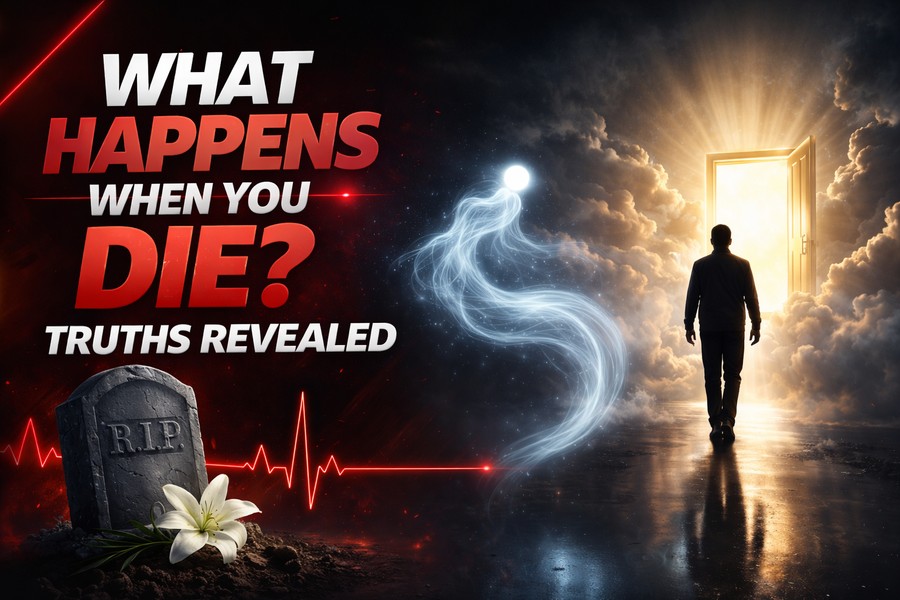
The experience of death is one of the most profound and mysterious aspects of life. It has intrigued people across cultures and generations, giving rise to various beliefs, medical explanations, and emotional responses.
Understanding what happens when you die involves considering both the physical and spiritual aspects of the process. In this article, we’ll explore the physiological changes that occur as death approaches, alongside the spiritual beliefs surrounding the afterlife.
The Physical Process of Dying
When a person dies, their body undergoes a series of physical changes. The heart stops pumping, blood no longer circulates, and oxygen is no longer supplied to the tissues. One of the first signs of imminent death is the cessation of breath, as the brain no longer signals the body to continue breathing. This is followed by the shutdown of other vital organs, leading to the body’s gradual loss of function.


While the heart may stop beating first, it’s not always the immediate sign of death. In some cases, the body may exhibit signs of life, like twitching or jerking, even after the heart has stopped. This is due to the electrical impulses still firing in the muscles, not from an active brain or heart function. As the body cools and rigor mortis sets in, the final stages of physical death begin to unfold.
Spiritual Perspectives on Death
For many, death is not merely a physical event, but a spiritual journey. Different cultures and religions offer varying beliefs about what happens after we die. In Christianity, for instance, it is believed that the soul leaves the body and moves on to an afterlife. Many Christians believe in Heaven or Hell, where the soul is judged based on earthly actions. On the other hand, other religions like Buddhism view death as a cycle of rebirth, where the soul is reincarnated based on its karma.
In some faiths, the afterlife is considered a peaceful transition, while others see it as a continuation of struggle or growth. Some people find comfort in the idea that death is not an end, but a transition to a different existence.
The Final Moments: What to Expect
As death approaches, individuals may experience certain physical signs and symptoms. Many people go through a period of unconsciousness or altered consciousness, where they might not be fully aware of their surroundings. Breathing may become irregular, with long pauses followed by rapid, shallow breaths. In the final stages, the body’s vital functions begin to slow down, including heartbeat and brain activity. This can be a peaceful process, but it’s also emotionally challenging for loved ones.
Some people may experience a sense of detachment or lightness, and there are numerous reports of people having “near-death experiences” in the moments before death. These experiences often include feelings of warmth, moving towards a light, or encountering spiritual beings. While these experiences are subjective, they remain a profound part of the discussion surrounding death.
The Role of Hospice Care in the Dying Process
Hospice care plays a crucial role in helping individuals die with dignity and comfort. When someone is nearing the end of life, hospice services focus on easing pain and providing emotional and spiritual support. Hospice professionals ensure that the person’s final moments are as peaceful as possible, helping both the individual and their family cope with the impending loss.
This compassionate care is designed to make the dying process less frightening and more manageable, both for the patient and their loved ones. Families can also receive counseling and guidance, helping them navigate the emotional and psychological aspects of saying goodbye. Hospice care is not just about managing physical symptoms but also offering emotional comfort during a difficult time.
The Science of Near-Death Experiences
Near-death experiences (NDEs) have been a subject of interest for both medical professionals and spiritual thinkers. Many individuals who have experienced NDEs report sensations of floating above their bodies, moving towards a light, or having a sense of peace. These experiences are sometimes interpreted as a glimpse into the afterlife, though they may also be explained by the brain’s reaction to extreme stress, lack of oxygen, or altered brain activity.
Research into NDEs suggests that these experiences may be universal, with consistent themes reported by individuals across different cultures and backgrounds. However, the scientific community remains divided on what causes these phenomena, and whether they provide insight into what happens after death.
How Death Affects Loved Ones
Death is not only a significant event for the person who passes but also for those who remain. The grieving process can be long and difficult, involving a range of emotions such as sadness, anger, guilt, and relief. It’s important to understand that everyone grieves differently, and there is no “right” way to grieve.
Family members and friends may experience feelings of emptiness or even a sense of abandonment. The stages of grief, including denial, anger, bargaining, depression, and acceptance, are often cited as a way of understanding how people cope with loss. It’s essential to allow oneself time to mourn and seek support from others during this process.
Coping with the Loss of a Loved One
Losing someone you love can feel devastating, but over time, people find ways to cope and heal. Support groups, therapy, and spiritual practices can provide solace for those who are struggling with grief. Many people find comfort in creating lasting memories of their loved ones, through photographs, letters, or even creating a legacy project.
The grieving process may never fully end, but it evolves as people come to terms with their loss. Finding meaning in the experience, whether through faith, personal growth, or community support, can help individuals move forward and keep the memory of their loved ones alive.
The Importance of Living Well Before Death
While it’s natural to focus on the end of life, it’s equally important to consider how we live our lives in the present. Living a fulfilling and purposeful life can lead to a sense of peace when the time comes for us to pass away. Whether it’s pursuing our passions, building relationships, or making a positive impact on the world, living with intention can provide comfort when we reflect on our lives.
Additionally, making decisions about our legacy, such as writing a will or expressing wishes for our final days, can bring peace of mind to both ourselves and our loved ones. Planning ahead is a way of ensuring that we leave behind a legacy that aligns with our values and priorities.
Conclusion
In conclusion, the experience of death is a complex and deeply personal journey. While the physical process of dying involves the cessation of bodily functions, the spiritual aspects of death are influenced by personal beliefs and cultural traditions. Hospice care and near-death experiences provide additional perspectives on how we approach death and what may lie beyond. Through all of this, the importance of living well and finding meaning in life is paramount.
By understanding both the physical and spiritual aspects of death, we can approach this inevitable part of life with greater peace and acceptance.